The Super Food
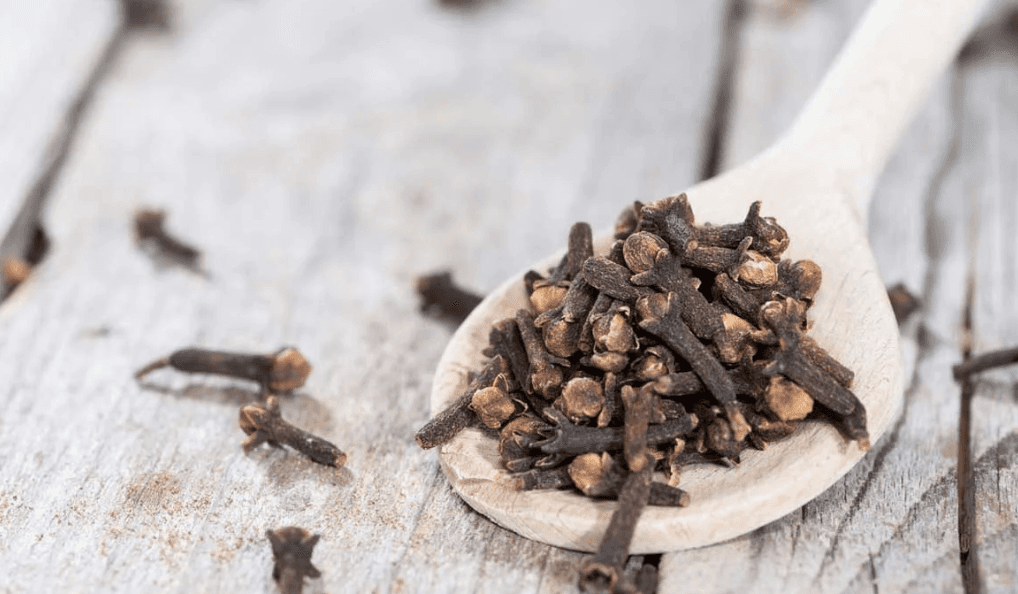
What it is, where it comes from, and exactly how to use it
A secret older than modern medicine
Thousands of years ago, long before protein powders, probiotics, and expensive gut health supplements, people already knew how to eat well and feel light afterward.
Ancient Egyptian royalty, Roman emperors, Chinese dynasty leaders — they all had one thing in common. They ate enormously. Lavish feasts. Heavy meats, rich sauces, course after course. The kind of eating that would leave most of us on the couch clutching our stomachs for hours.
And yet they didn't bloat. They didn't suffer. They felt good.
For a long time historians focused on what these rulers ate. But the more interesting question is what they ate after.
Archaeological findings from ancient Egyptian tombs, Roman texts, and early Chinese medical manuscripts all point to the same small, dark, intensely fragrant spice being used after meals — not as a flavoring, not as a luxury item, but as a remedy. A digestive tool. Something they understood worked, even if they couldn't explain exactly why.
That spice was cloves.
What cloves actually are
Most people picture cloves as a spice for Christmas recipes or mulled wine. But cloves are not a seed, not a root, and not a leaf.
Cloves are flower buds.
They grow on the clove tree — a tropical evergreen native to the Maluku Islands in Indonesia, now grown across Southeast Asia, Madagascar, and East Africa. The buds are harvested by hand before they bloom, then dried in the sun until they turn that familiar deep brown color.
What you hold in your hand when you pick up a single clove is a flower that never opened. And inside that tiny bud is one of the most concentrated sources of natural digestive compounds found anywhere in nature.
The smell alone tells you something is happening. That sharp, warm, almost medicinal scent? That's eugenol — the active compound responsible for most of what cloves do inside your body.
Why it works — in plain language
To understand why cloves stop bloating so effectively, you first need to understand one thing about your digestive system that most people — and most doctors — never explain.
Your body produces digestive enzymes to break down food. Most people have heard of these. What almost nobody tells you is that those enzymes are completely useless on their own.
They need to be switched on. And the only thing that switches them on is bile.
Bile is a digestive fluid produced by your liver and stored in your gallbladder. When you eat, bile gets released into your small intestine — and the moment it arrives, it activates your pancreatic enzymes so they can actually start breaking down your food.
No bile signal, no enzyme activation. Food sits there, undigested.
And undigested food in your gut does one thing: it ferments. That fermentation is exactly where your bloating, gas, and discomfort come from.
But bile does more than just flip the switch on your enzymes.
It also triggers the rhythmic muscle contractions that move food through your intestines at the right pace. When this movement slows down — which happens when bile flow is sluggish — food spends too long in your gut. The longer it sits, the more it ferments. The more it ferments, the more gas builds up.
On top of that, bile actively supports the growth of good gut bacteria and works as a natural antiseptic — keeping the harmful, gas-producing bacteria in check. A healthy bile flow means a healthier gut environment overall.
When bile flows properly, everything downstream works the way it should: enzymes activate, food moves, good bacteria thrive, gas doesn't build up.
When bile flow is sluggish, the whole system quietly breaks down — and you end up bloated after almost every meal, often without understanding why.
The short version:
Digestive enzymes can't work without bile — unactivated enzymes lead directly to fermentation and gas
Bile keeps food moving through your intestines at the right pace — slow movement means more fermentation, more bloating
Bile supports healthy gut bacteria and acts as a natural antiseptic against the bacteria that cause gas
When bile flows properly, your gut works properly — less gas, less bloating, more comfort
Where cloves come in
Cloves contain natural bitter compounds — primarily eugenol — that directly stimulate bile flow. More bile released means enzymes get activated, food moves through at the right speed, and your gut bacteria stay balanced.
Chewing 1–2 cloves after a meal triggers this bile response in a way that works across your entire digestive tract — both in the upper part, where food first gets broken down, and in the lower part, where fermentation and gas typically build up.
That's why the effect is felt so quickly, and why it works regardless of what you ate. It's not masking the bloating. It's removing the root cause.
Where to find them
You do not need a health food store. You do not need to order anything online.
Walk into any supermarket — any major chain, any discount store — and go to the spice aisle. Look for whole cloves. They usually come in a small glass jar or a spice packet, often next to cinnamon, nutmeg, and allspice.
You are looking for whole cloves, not ground cloves. Ground cloves work differently and won't give you the same effect. Whole cloves are the small, nail-shaped dried buds.
A single jar typically contains enough for several weeks. The cost is usually less than €1–2.
No special preparation. No pharmacy. No subscription.
Exactly how to use them
After your meal — not before, not during — take 1 to 2 whole cloves.
Place them in your mouth and chew them slowly. They release a strong, warm, slightly bitter flavor — that's exactly what you want. Keep chewing until the clove has softened and mostly dissolved. Then swallow.
Thirty seconds. That's the entire routine.
A few things to know:
1 clove is usually enough for lighter meals. Use 2 after something heavier
The bitter taste is the point — don't immediately wash it down with water. Let it sit for a moment. That's the signal reaching your gallbladder
Right after eating is the right time — that's when your digestive system needs the bile signal most. Waiting an hour is too late
Whole cloves only — not ground, not clove oil, not clove tea. The whole bud chewed directly gives you the most concentrated effect
Consistency builds results — most women feel a difference from the very first meal, and it gets stronger as your digestive system finds its rhythm over the first week
What to expect
The first time most women try this, they notice one thing: that heavy, building pressure that usually starts 20–30 minutes after eating simply doesn't arrive.
Not reduced. Not delayed. Just gone.
Over the first few days you may also notice:
Less overall stomach tightness throughout the day
Feeling lighter after meals instead of sluggish
More consistent digestion with fewer unpredictable days
Reduced bloating even after meals that used to always cause problems
Nothing else needs to change. No new diet. No cutting food groups. No additional supplements. The clove works with whatever you're already eating because it's fixing the underlying mechanism — not just covering up the symptom.
One last thing
Cloves have been used for digestive health for over 2,000 years across multiple civilisations on multiple continents. They were traded along the most valuable spice routes in history — sometimes worth more than gold by weight — because people understood their value long before anyone could explain it scientifically.
Modern supplement companies would love for you to believe that gut health requires a $60 bottle of capsules, a complicated protocol, and three weeks before you see results.
It doesn't.
Sometimes the oldest answers are the right ones.
You're holding one of them.